

USA Digitizing Pro Knowledge Hub: Embroidery & Vector Articles
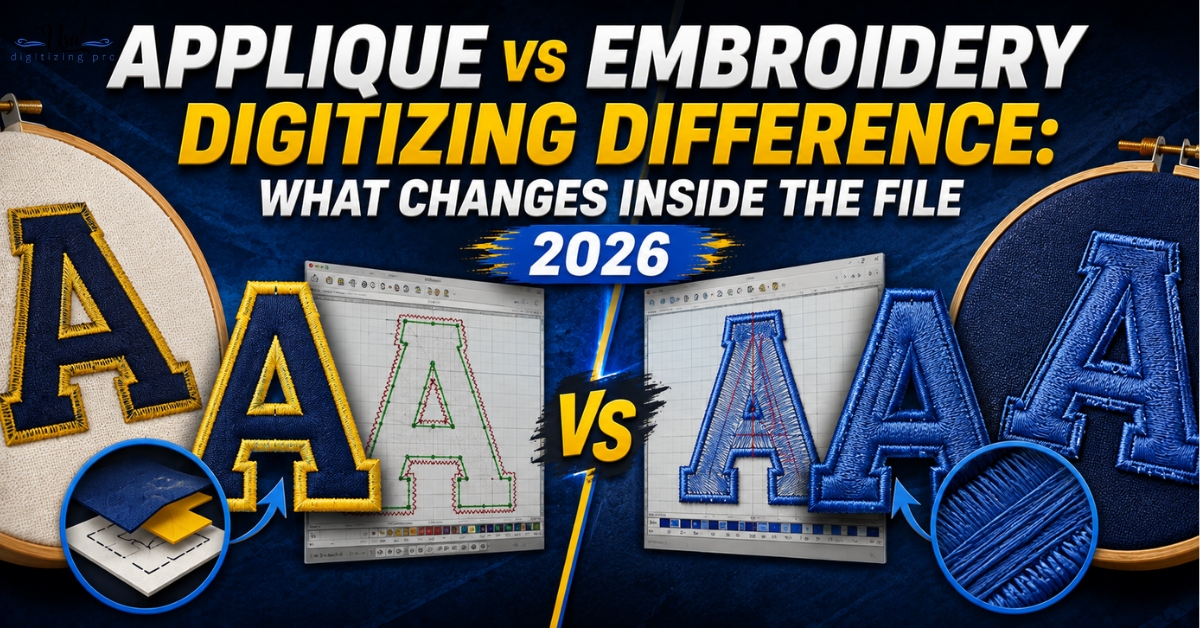
Applique vs Embroidery Digitizing Difference: What Changes.
Send the same logo to two digitizers and ask one for embroidery and one for applique, and you’ll get back two completely different files. Same...

3D Puff Embroidery Cost Per Design: What.
Ask five digitizers what 3D puff embroidery costs per design and you’ll get five different answers. That’s not a scam. Puff pricing isn’t a flat...
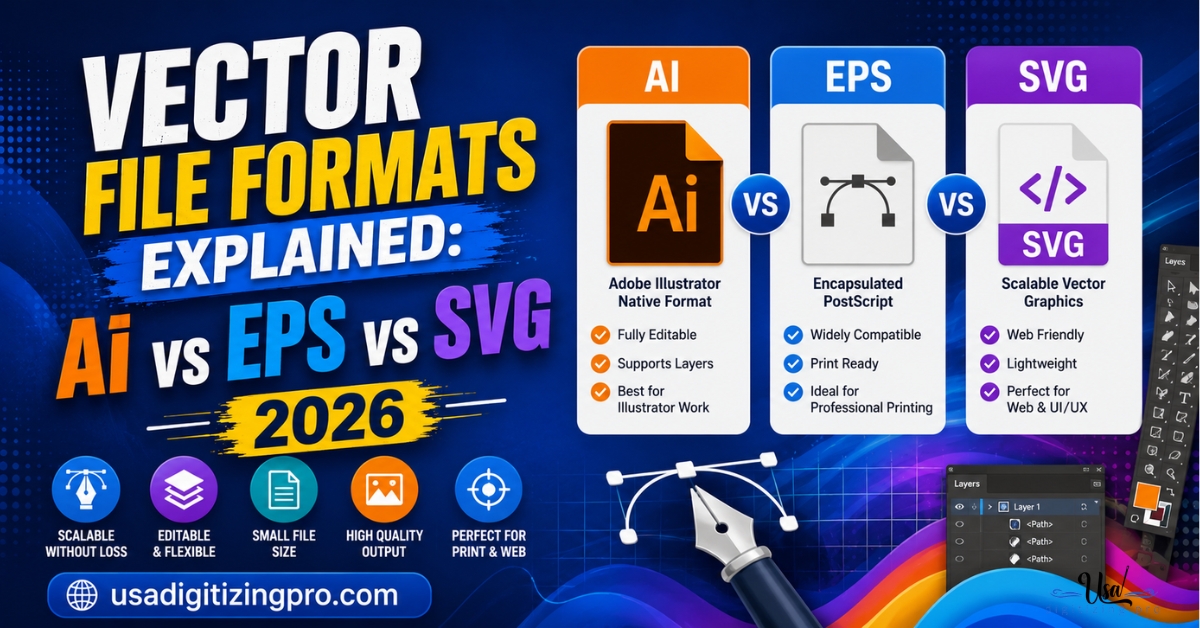
Vector File Formats Explained: AI vs EPS.
Ask a printer or sign shop for artwork and they’ll often name a specific format instead of just saying vector file. Vector file formats explained...
Sleeve Digitizing for Jackets vs T-Shirts 2026 Guide
The same logo digitized for a jacket sleeve and a t-shirt sleeve rarely stitches out identically, and that surprises a lot of first-time buyers. Sleeve...
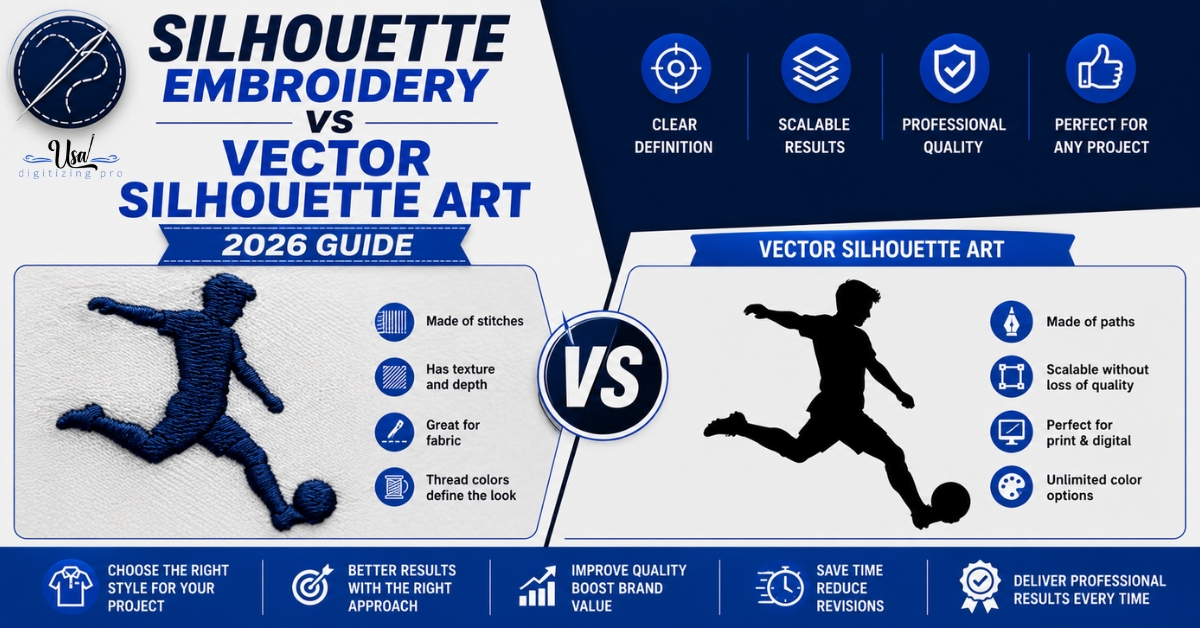
Silhouette Embroidery vs Vector Silhouette Art 2026.
A silhouette design can end up on a garment two very different ways, and picking the wrong one leads to a finished product that doesn’t...

Logo Digitizing for Small Businesses: 2026 Pricing.
A small business ordering its first embroidered logo usually has one question before anything else: what does this actually cost. Logo digitizing for small businesses...
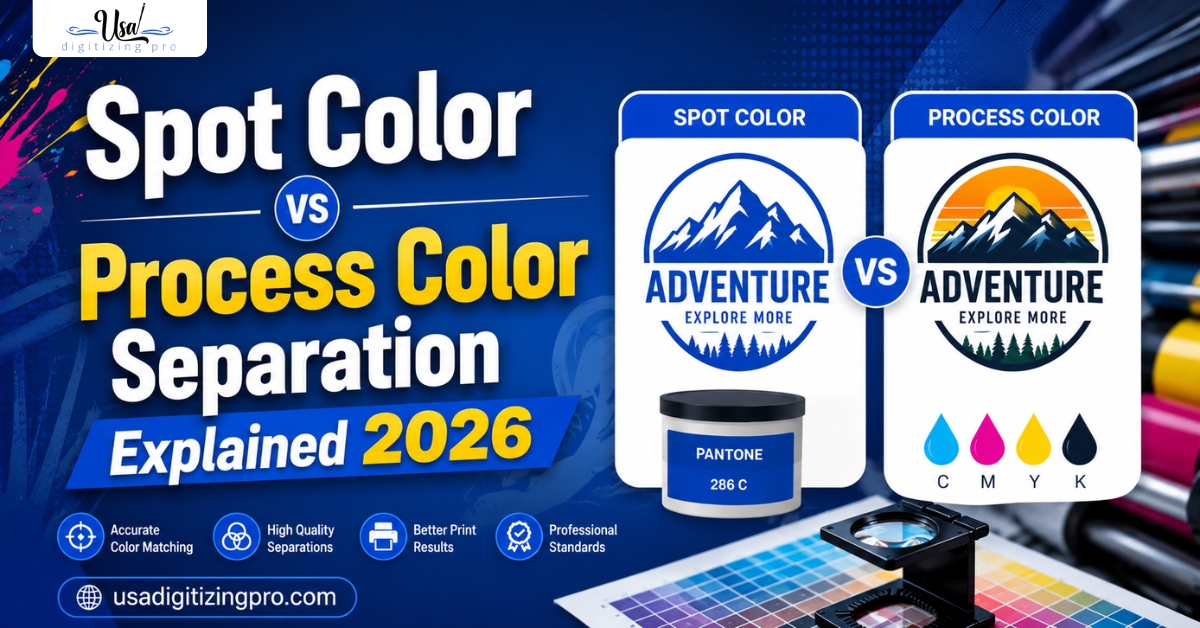
Spot Color vs Process Color Separation Explained.
Screen printers run into this decision on almost every order: separate the artwork as spot colors or run it as a process color job. Spot...

Patch Digitizing Border Types: Merrowed vs Heat.
Two identical patch designs can come out looking completely different depending on one decision made before digitizing even starts: how the edge gets finished. Patch...
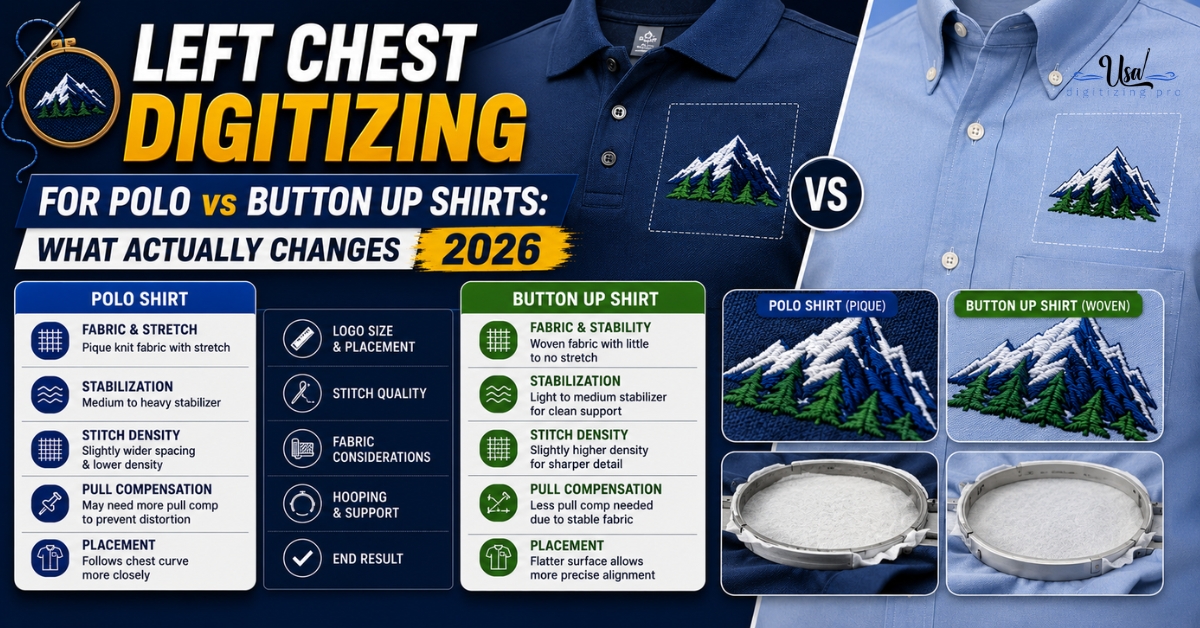
Left Chest Digitizing for Polo vs Button.
Order the same left chest logo for a batch of polos and a batch of button-up dress shirts, and you might expect one file to...

Digitizing Curved Text for Caps: Why Straight.
Text that reads perfectly straight on a screen doesn’t automatically curve cleanly once it’s stitched across a cap front. Digitizing curved text for caps is...