

4x4 Embroidery Hoop: Size Limits and Pricing Guide 2026
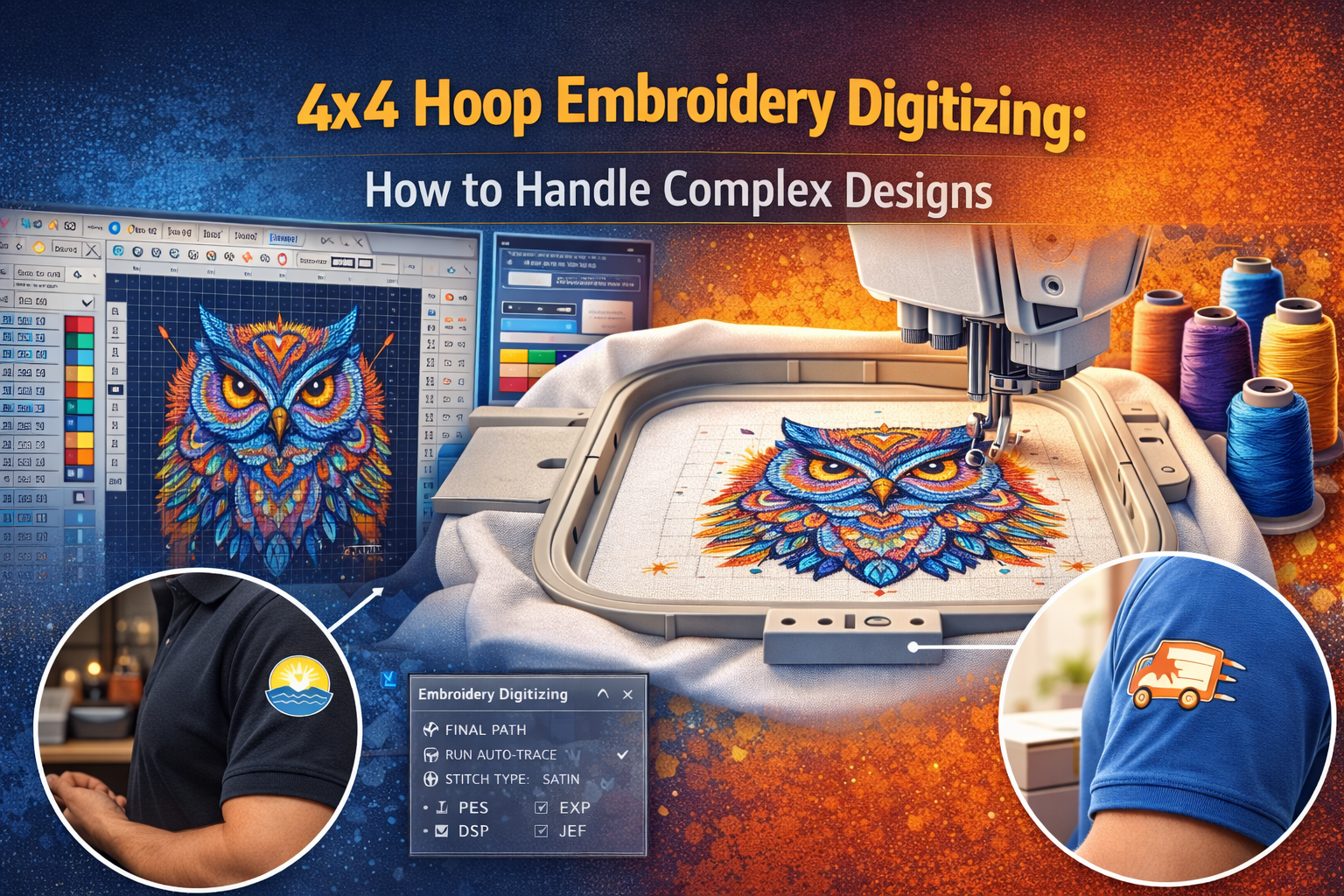
A 4×4 embroidery hoop is the most common hoop size in commercial embroidery and most left chest logos small caps and single item gift orders run through it. But not every design fits comfortably inside a 4 inch square and pricing for a 4×4 order depends on more than just the hoop label. Knowing what actually fits what pushes a design into a larger hoop and how pricing breaks down helps a buyer order the right size the first time instead of getting a file back that needed a rebuild.
Quick Answer at a Glance
What a 4×4 Hoop Actually Fits
A 4×4 embroidery hoop holds a physical embroidery area of 4 inches by 4 inches but the usable stitch area is slightly smaller than that once hoop margin and fabric stability are factored in. This size is the standard for left chest logos most cap designs and small single placement orders like gift items or small business branding on shirt pockets. For the broader logo file build process this hoop size is most often used for the logo embroidery digitizing overview covers what goes into building a file at this scale.
Why the Usable Area Is Smaller Than 4×4 Inches on Paper
The hoop itself measures 4×4 inches but a digitizer doesn’t stitch a design flush to the very edge of that space. A margin gets left to account for fabric shift during stitching and to avoid the needle catching the hoop frame itself. In practice this means a design should be planned for a working area a bit under the full 4 inches in both directions not the full nominal hoop size.
When a Design Needs a Bigger Hoop Instead
A logo with wide horizontal text a full back design or any graphic wider or taller than the 4×4 usable area needs a larger hoop commonly a 5×7 or 6×15 rather than being forced to shrink into a 4×4 space where it would lose legibility or detail. Trying to cram an oversized design into a 4×4 hoop by shrinking it down often results in text that blurs together or fine details that don’t stitch out cleanly.
How Detail Level Interacts With Hoop Size
A simple two color logo with clean shapes generally digitizes fine at 4×4 size. A busy design with fine text gradients or many small elements gets harder to stitch cleanly as the available space shrinks since there’s less room for each stitch element to register properly. This is why a digitizer sometimes recommends simplifying a detailed design specifically for a 4×4 placement even if the same design would work fine at a larger hoop size without changes.
Why One File Doesn’t Cover Every Hoop Size
It’s a common assumption that a single digitized file can just get resized for different hoop placements. In practice moving a design from a 4×4 hoop file to a 5×7 or larger hoop or the reverse usually needs the stitch density underlay and sometimes the design detail itself adjusted for the new scale. A file built and tested for 4×4 doesn’t automatically stitch out cleanly if just scaled up or down without rebuilding those settings.
Side by Side: 4×4 Hoop vs Larger Hoop Sizes
Getting Your File Right for a 4×4 Order
- Measure your design’s actual width and height before assuming it fits a 4×4 hoop.
- Ask your digitizer if a detailed design needs simplification to stitch cleanly at this size.
- Request a separate file if the same logo also needs a larger hoop placement elsewhere.
- Confirm turnaround and pricing based on your specific design’s size and complexity.
- Request a stitch out sample before a full production run if this is your first order at this size.
A Real Order Broken Down
A small Texas gift shop wanted a detailed floral logo embroidered on tote bag pockets originally assuming their existing larger hoop file would just scale down to fit a 4×4 placement. When the digitizer reviewed it the fine floral detail was too dense for the smaller usable area and would have blurred together at that size.
The file was rebuilt specifically for the 4×4 hoop with slightly simplified petal detail and adjusted density keeping the design recognizable while stitching out cleanly within the smaller working area. The original larger hoop file stayed unchanged for their tote bag body placement which used the bigger design without modification.
Who Builds These Files
USA Digitizing Pro has built 4×4 hoop digitizing files from its Texas studio since 2015 adjusting density and detail specifically for this hoop size rather than just scaling down a larger file. Standard turnaround runs 2 to 4 hours with pricing starting at $15 for designs under 5 inches quoted above $25 for larger or more complex work backed by a money back quality guarantee.
Frequently Asked Questions
Slightly less than the full 4×4 inches since a margin is left for fabric stability and to keep the needle clear of the hoop frame itself.
Often yes but very fine detail may need slight simplification so the design stitches out cleanly rather than blurring together in the smaller space.
Not reliably. Moving to a larger hoop size usually needs the density underlay and sometimes detail level rebuilt for the new scale rather than simply resizing the existing file.
Left chest logos small cap designs and single small graphics under about 4 inches in both directions are the most common fit for this hoop size.
Pricing starts at $15 flat for designs under 5 inches with larger or more detailed designs quoted individually above $25.
It needs a larger hoop size such as a 5×7 or 6×15 rather than being shrunk to fit which would risk losing legibility or fine detail.
Standard turnaround runs 2 to 4 hours for most orders at this size.
Hoop dimensions are generally standardized at 4×4 inches for this size across most commercial embroidery machines though the exact usable stitch area can vary slightly by machine and hoop brand.
The nominal size is the same though commercial and home machines may have slightly different hoop frame designs affecting the exact usable margin.
Yes especially for a detailed design since it confirms the file stitches out cleanly within the smaller working area before a full production run.
Ordering the Right File for Your 4×4 Placement
A 4×4 embroidery hoop covers most left chest logos caps and small single designs but the usable space is a bit smaller than the nominal size suggests and detailed designs sometimes need simplification to stitch out cleanly at this scale. Knowing your design’s actual dimensions and detail level before ordering keeps you from paying for a file that needs a rebuild later. USA Digitizing Pro builds files specifically sized for 4×4 hoop placements.

RELATED BLOGS
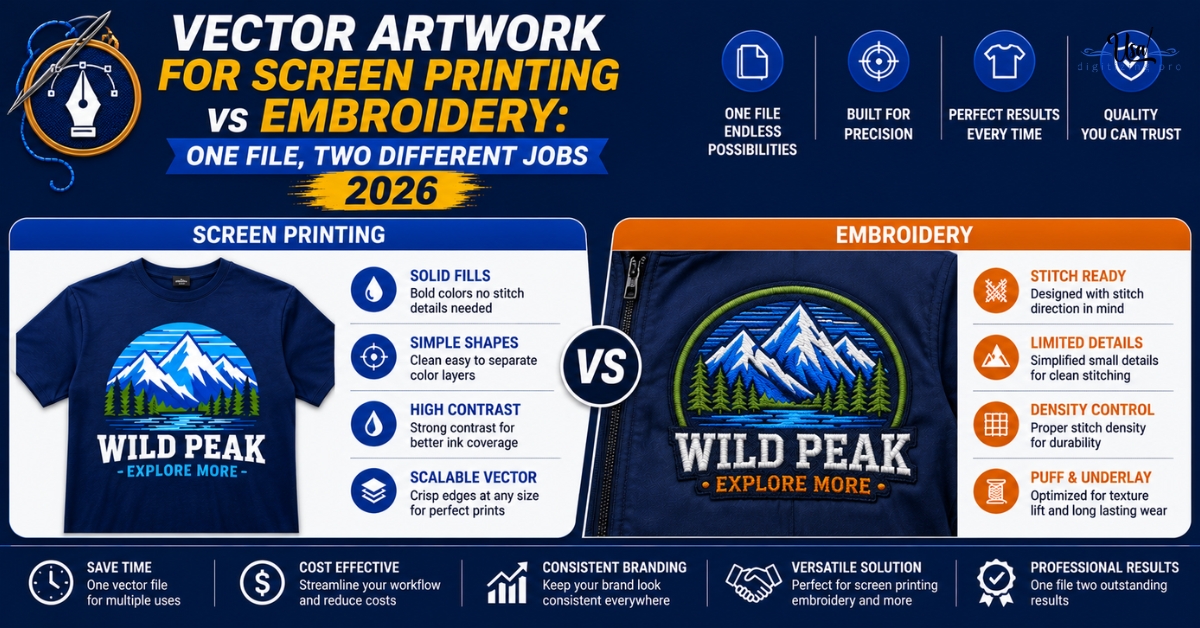
Vector Artwork for Screen Printing vs Embroidery: One.
Published July 11, 2026 | By USA Digitizing Pro Team Ask a screen printer and an embroidery shop what they need from.
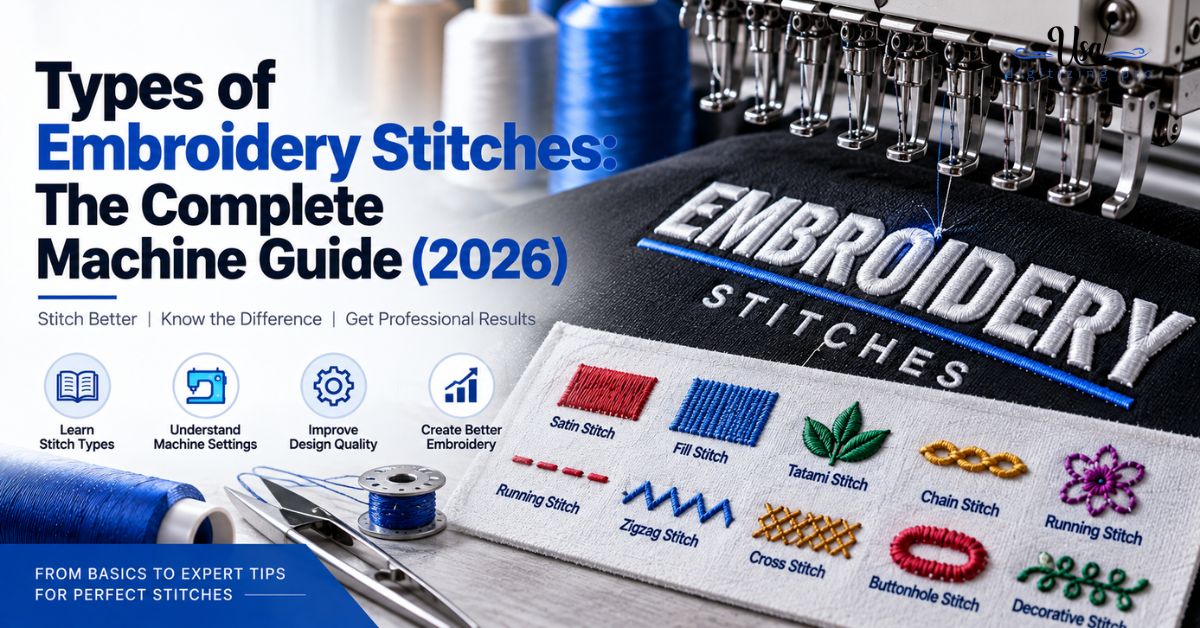
Types of Embroidery Stitches: The Complete Machine Guide.
Published September 11, 2026 | By USA Digitizing Pro Team Ask what stitch types exist in machine embroidery and almost every answer.